
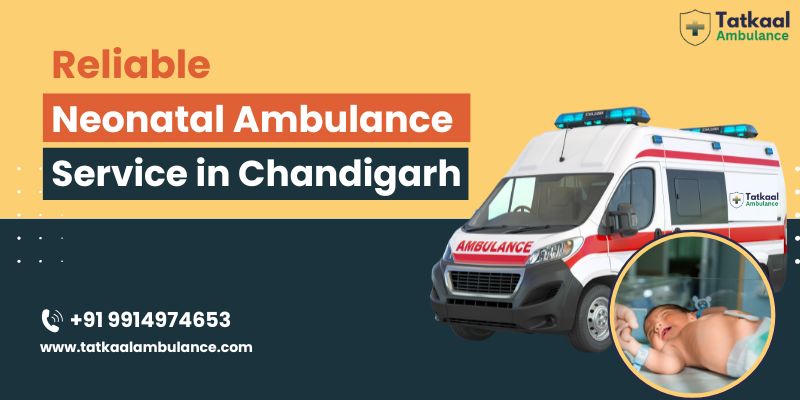
When it comes to the health of newborns, every second counts. Newborns, especially premature or critically ill babies, often require immediate and specialized medical attention. In such situations, a regular ambulance may not be equipped to handle the delicate needs of a neonate. This is where a neonatal ambulance service becomes vital.
In Chandigarh and the surrounding Tricity area, including Mohali, Zirakpur, and Panchkula, parents and healthcare providers now have access to advanced neonatal transport services. These services ensure the safe and quick transfer of newborns to hospitals equipped for specialized care, offering parents peace of mind in emergency situations.
What is a Neonatal Ambulance?
A neonatal ambulance is a specially designed ambulance equipped to transport newborns safely from one medical facility to another or from home to a hospital. Unlike standard ambulances, neonatal ambulances are designed keeping in mind the fragility of infants. They provide a controlled environment that maintains the baby’s body temperature, oxygen levels, and other critical parameters during transport.
The primary goal of a neonatal ambulance is to ensure that the baby receives continuous medical care during transit, reducing the risks associated with emergency transport.
Why Choose a Neonatal Ambulance?
Transporting a newborn in a regular ambulance can be risky because these vehicles are generally equipped for adults and older children. Neonatal ambulances are specifically designed to meet the unique medical requirements of infants. Here’s why parents and healthcare providers should choose a neonatal ambulance:
1. Specialized Neonatal Medical Team
Neonatal ambulances are staffed with trained neonatal nurses, paramedics, and sometimes neonatologists who understand newborn emergencies. Their expertise ensures that the baby receives the right care every second of the journey.
2. Advanced Life-Saving Equipment
These ambulances carry NICU-grade equipment such as neonatal incubators, ventilators, monitors, and infusion pumps. This makes the ambulance function like a mobile neonatal intensive care unit.
3. Controlled Temperature Environment
Newborns—especially preemies—cannot regulate their body temperature. Neonatal ambulances maintain the ideal temperature and humidity to prevent hypothermia or overheating, ensuring a stable environment throughout transport.
4. Neonatal Ventilation & Oxygen Support
Babies with breathing difficulties require specialized oxygen delivery systems. Neonatal ambulances come equipped with neonatal ventilators, CPAP systems, and monitored oxygen supplies to manage respiratory distress.
5. Safe Transport for Critical Cases
Whether the newborn is premature, low birth weight, or suffering from complications, neonatal ambulances offer a safe mode of transport designed specifically to prevent risks during movement.
6. Continuous Monitoring of Vital Signs
Heart rate, blood pressure, oxygen saturation, and temperature are monitored in real-time through advanced neonatal monitors. This continuous assessment ensures immediate intervention if any changes occur.
7. Reduces Transfer Delays
Neonatal ambulance services are designed for quick response. Their rapid dispatch and skilled coordination reduce critical delays, ensuring the baby reaches the hospital as fast as possible.
8. Safe Medication Administration
Neonatal ambulances are equipped with infusion pumps and emergency neonatal medications, ensuring accurate and controlled delivery of essential drugs during transit.
9. Smooth & Stable Transportation System
These ambulances use high-quality suspension and neonatal-secured incubator mounting systems, reducing vibrations and jerks that can harm fragile newborns. The smooth ride ensures minimal stress on the baby.
10. Better Survival & Recovery Outcomes
Because neonatal ambulances offer NICU-level support during transit, the baby remains stable and protected. This significantly improves survival chances and reduces complications before reaching the hospital.
You Can Also Read: Essential Ambulance Equipment List for Emergencies
Difference Between Normal Ambulance vs Neonatal Ambulance
It’s important to understand the difference between a normal ambulance and a neonatal ambulance:
| Feature | Normal Ambulance | Neonatal Ambulance |
|---|---|---|
| Patient Type | Adults and children | Newborns and infants |
| Equipment | Basic life-support, stretchers | Incubators, ventilators, monitors, infusion pumps |
| Staff | Paramedics, basic EMTs | Neonatal nurses, trained paramedics |
| Environment | Standard, no temperature control | Controlled temperature and humidity |
| Oxygen Supply | Standard cylinders | Specialized neonatal oxygen systems |
| Emergency Support | Limited to adult/child emergencies | Continuous neonatal intensive care during transit |
Clearly, neonatal ambulances are specifically designed for the fragile needs of newborns, ensuring safety and uninterrupted medical care during transport.
You Can Also Read: What Is the Difference Between ALS and BLS?
Neonatal Ambulance Equipment
A well-equipped neonatal ambulance has the following essential equipment:
- Neonatal Incubator: Provides a controlled, warm, and sterile environment for premature or sick infants.
- Ventilators: Supports infants with breathing difficulties.
- Oxygen Supply System: Ensures uninterrupted oxygen delivery.
- Cardiac and Vital Monitors: Tracks heart rate, blood pressure, and oxygen saturation.
- Infusion Pumps: For administering fluids, medications, or nutrients.
- Suction Devices: To clear airways and prevent respiratory distress.
- Emergency Medications: Includes essential drugs for neonatal emergencies.
- Communication Systems: For real-time coordination with hospital staff.
This equipment ensures that the baby receives intensive care on the go, mimicking an NICU (Neonatal Intensive Care Unit) environment.
Why Choose Tatkaal Ambulance for Neonatal Ambulance Service
Tatkaal Ambulance is one of the most trusted providers of neonatal ambulance services in Chandigarh and the Tricity area. Here’s why you should consider them:
- 24/7 Availability: Tatkaal Ambulance ensures round-the-clock service for emergency neonatal transport.
- Expert Staff: Trained neonatal paramedics and nurses handle critical situations during transit.
- Fully Equipped Vehicles: Their ambulances are equipped with advanced neonatal medical devices and incubators.
- Quick Response Time: Known for fast and reliable service, ensuring the baby reaches the hospital promptly.
- Wide Regional Coverage: Services are available not only in Chandigarh but also in Mohali, Zirakpur, and Panchkula.
- Patient-Centric Approach: Every transport is handled with utmost care and attention to both the baby and the parents.
Conclusion
A neonatal ambulance service can be a lifesaver for critically ill or premature newborns. Services like Tatkaal Ambulance ensure that your baby gets specialized care during transport, reducing risks and improving outcomes. With fast, reliable, and professional neonatal transport available across Chandigarh, Mohali, Zirakpur, and Panchkula, parents can rest assured knowing that expert care is just a call away.
FAQ
-
1. What is a neonatal ambulance?
Ans: A neonatal ambulance is a specialized ambulance designed to transport newborns safely, equipped with incubators, ventilators, and other essential neonatal care equipment.
-
2. When should I use a neonatal ambulance?
Ans: It should be used for transporting premature, critically ill, or sick newborns from home or another hospital to a specialized care facility.
-
3. How is a neonatal ambulance different from a normal ambulance?
Ans: Neonatal ambulances have specialized equipment, trained staff, and controlled environments specifically for newborn care, unlike regular ambulances meant for adults or older children.
-
4. Does Tatkaal Ambulance provide 24/7 neonatal transport?
Ans: Yes, Tatkaal Ambulance offers 24/7 emergency neonatal transport services in Chandigarh, Mohali, Zirakpur, and Panchkula.
-
5. Is it safe to transport a newborn in a neonatal ambulance?
Ans: Yes, neonatal ambulances are equipped with life-support systems and trained medical staff to ensure the baby’s safety during transport.